

Case:
24 years old known to have hereditary multiple osteochondromas (HMO) earlier called multiple hereditary exostoses (MHE), presented with a growing lesion in the left upper arm.
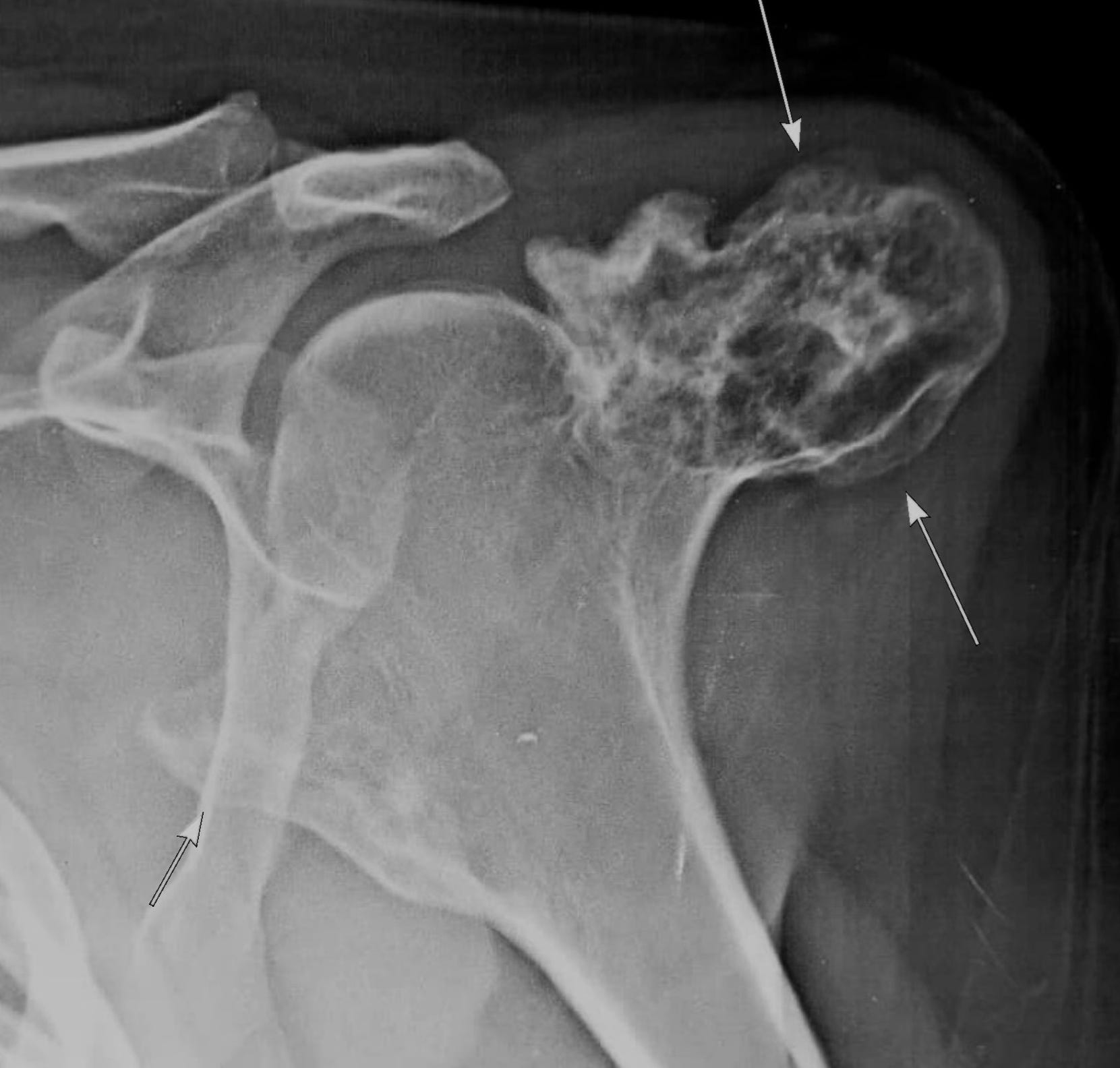
X-ray (Fig. 1) shows an osteochondroma arising from the lateral aspect of the proximal left humerus with no worrisome features. Note the sessile osteochondroma medially, which is atypical appearance in patients with HMO.
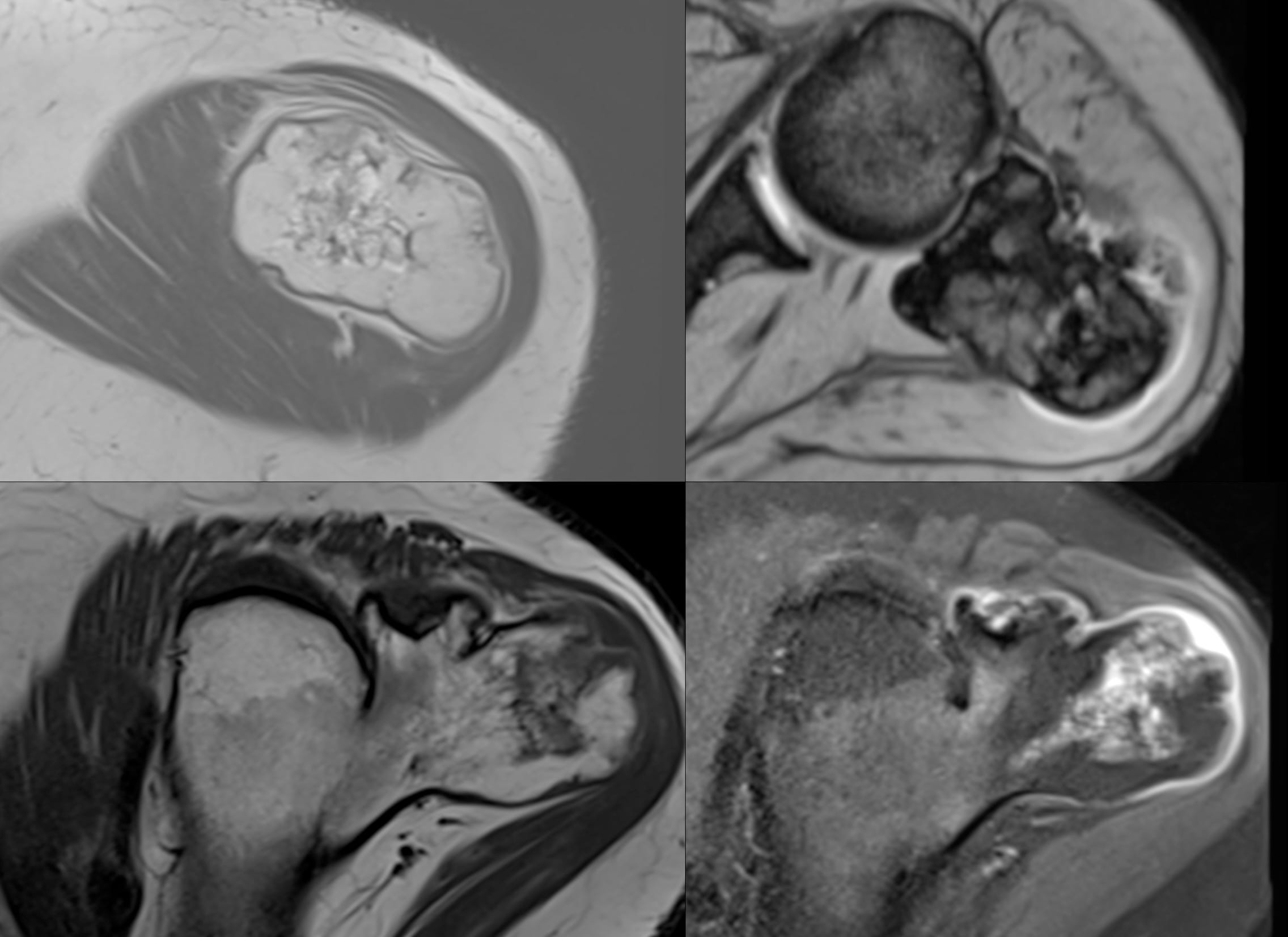
MRI (Fig. 2) was interpreted to be worrisome for malignant transformation and a biopsy was done.
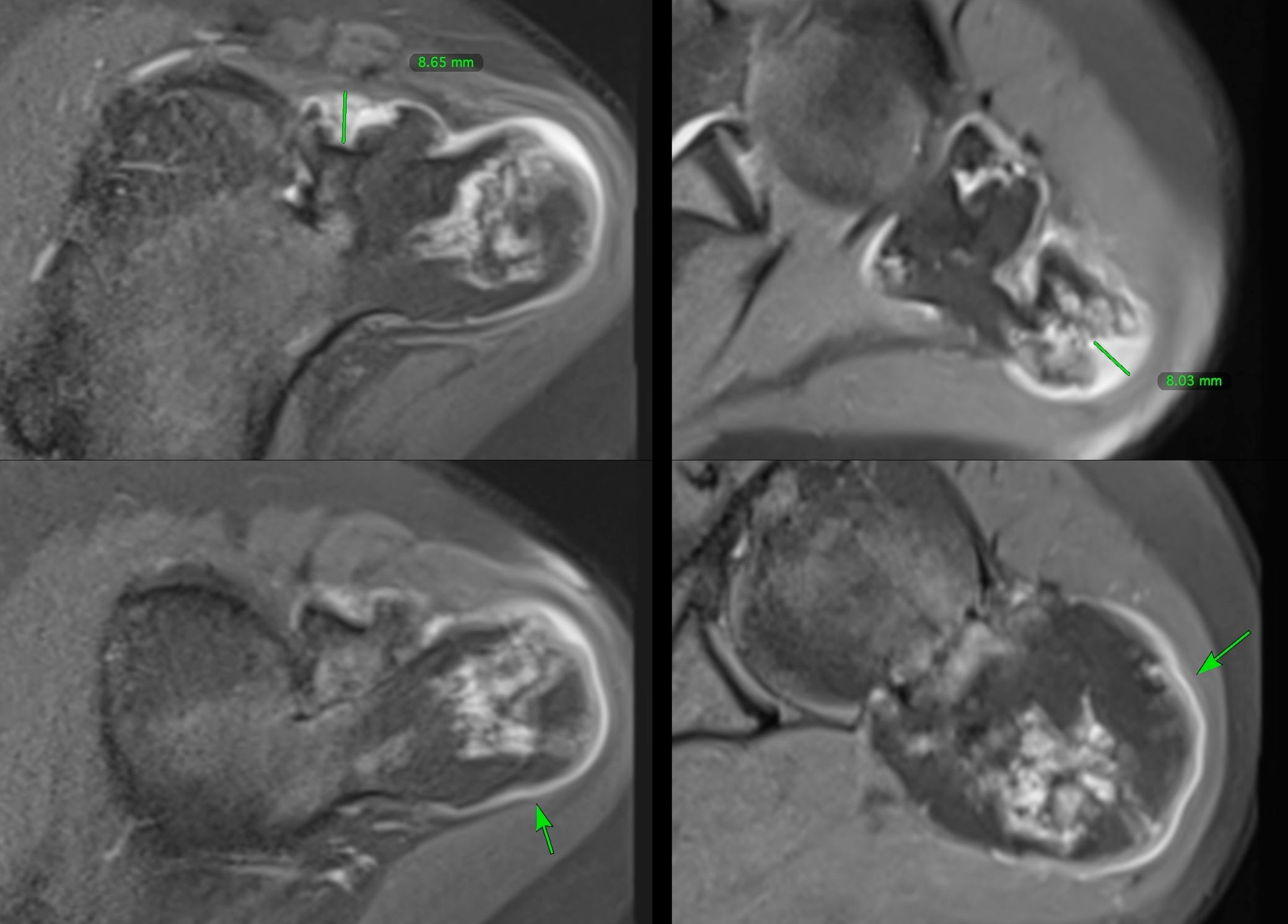
A close look at the MRI shows (Fig. 3) shows an average cartilage cap thickness of 4 mm and the maximum at two different areas of 8 mm with no osteolytic or bone destruction or extralesional soft tissue. There is truly no suggestion of malignant transformation, which was proven on biopsy as well.
Osteochondroma is defined as a benign cartilaginous neoplasm consisting of a bony projection covered by a cartilage cap, arising at the external surface of bone and containing a marrow cavity that is continuous with that of the underlying bone.
Fig. 4 shows how to measure the cartilage cap and the features that suggest malignant transformation.
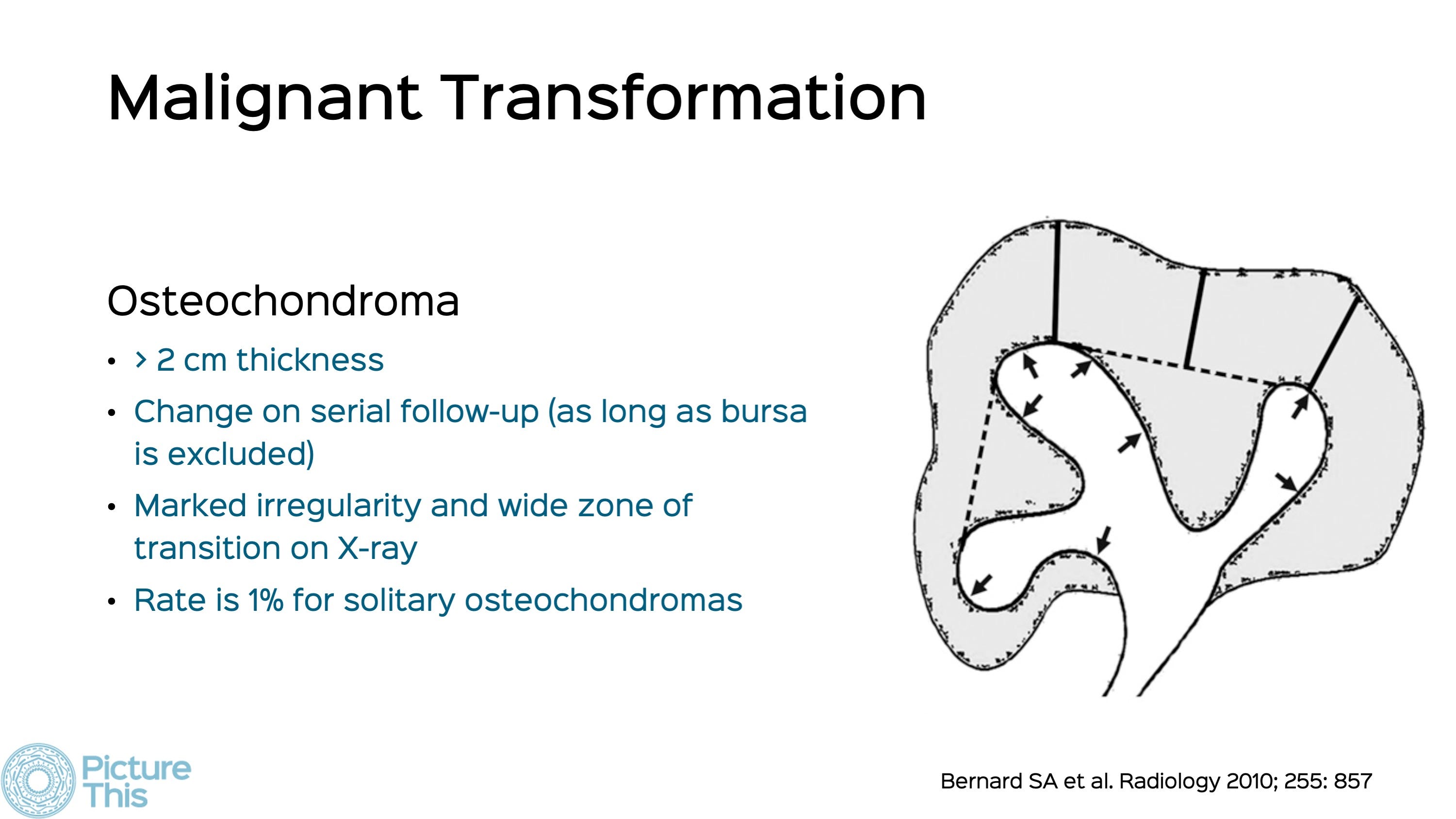
Fig. 5 shows that the way I had shown the measurement in Fig. 2 is incorrect (A) and the correct way would be as shown in Fig. 5B, in which the cartilage cap thickness is just 3.6 mm.
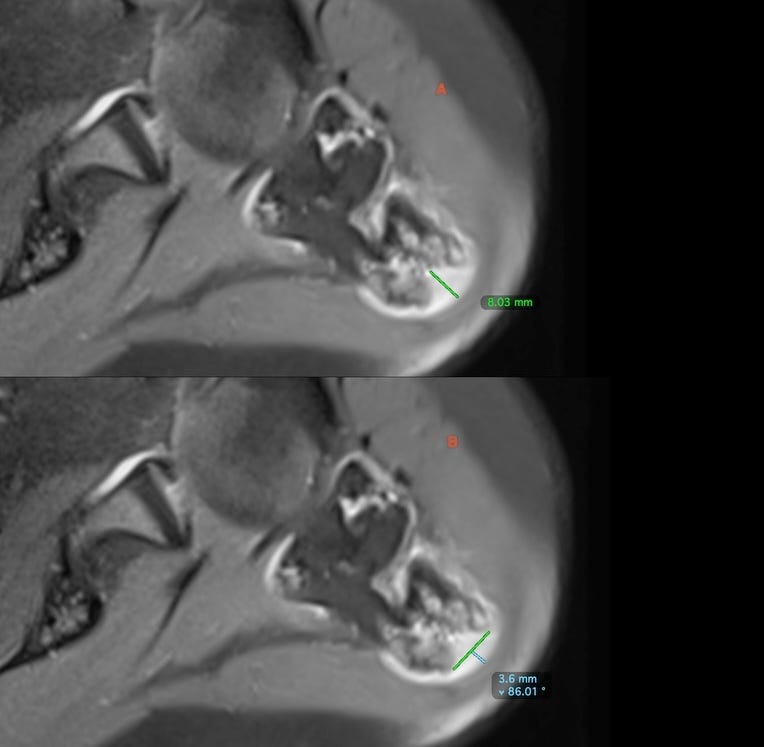
Fig. 6 is a new paper on the subject that says the following.
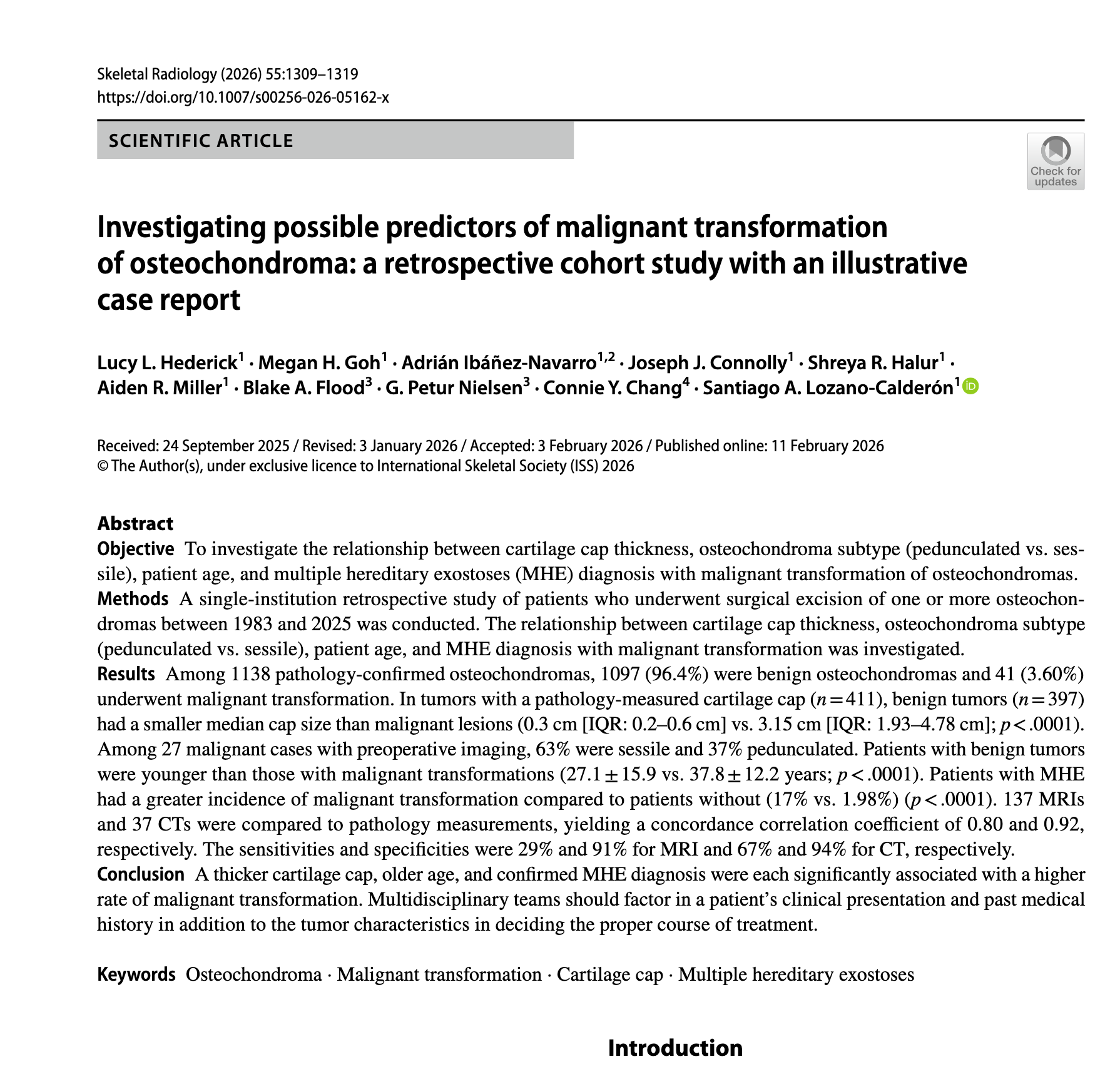
1. Secondary chondrosarcomas are typically seen in patients above the age of 30
2. While the rate of malignant transformation is 1% in patients with solitary osteochondromas, it rises to 5% in those with HMO. In this paper, patients with HMO were 8 times more likely to undergo malignant transformation than those without.
3. A cartilage cap thickness of > 3.0 cm has a high specificity for malignant transformation
4. A cartilage cap < 2.0 cm has a high specificity to rule out malignant transformation.
5. Sessile osteochondromas are more likely to undergo malignant transformation than pedunculated ones.
Other Osteochondroma Cases

Index and Table of Contents

Previous Post
Case 66: Solid-Variant Aneurysmal Bone Cyst (ABC)

Please subscribe, if you would like to know each time a new post is published
Content So Far
67 Cases
16 Cases of the Day
5 Lectures